
Effective Strategies for Monitoring Daily Energy Consumption in Small Offices
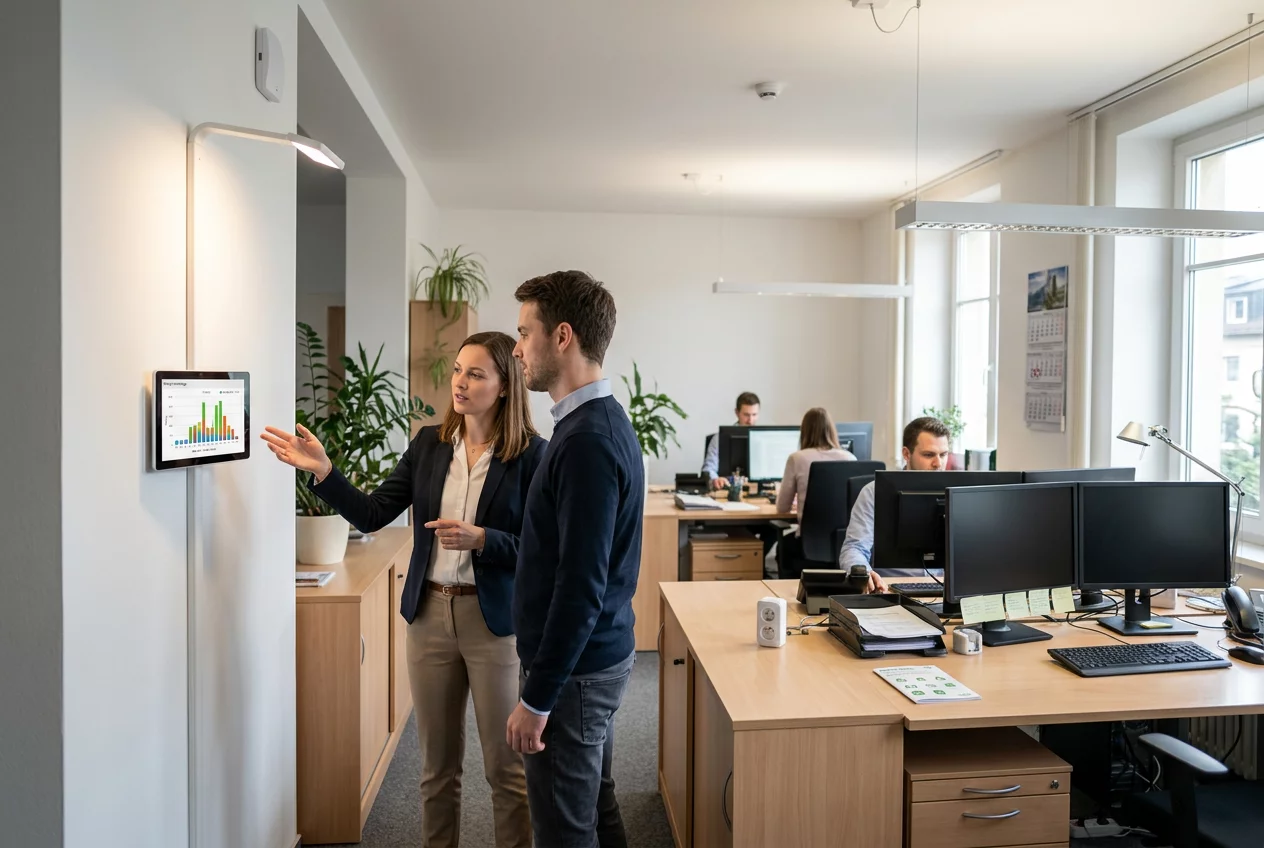
Approaches to Energy Monitoring
-
Manually checking utility meters and logging data. This is cost-effective for very small offices, requiring minimal initial investment but consistent human effort for tracking.
-
Smart plugs connected to individual devices monitor real-time consumption via an app. They offer granular data and remote control, pinpointing energy-intensive equipment without complex installation.
-
Specialized hardware at main electrical panels provides comprehensive, whole-office consumption data. This offers high accuracy and detailed analytics for informed decisions on energy usage.
Evaluation Criteria
-
Ease and time for setup, including wiring, software configuration, and required technical expertise. Minimal disruption is key.
-
Level of detail provided, from total office consumption to individual device usage. Crucial for identifying specific areas for optimization.
-
Ongoing expenses, including software subscriptions, maintenance, and labor for data collection. A sustainable budget is essential.
-
How easily the system adapts to growth or changes in office size and equipment. Future-proofing without significant re-investment is important.
Comparative Analysis of Strategies
Manual meter reading offers lowest complexity, needing only a spreadsheet. Data granularity is limited to aggregate figures, hindering specific energy drain identification. Relies on consistent human input for accuracy, suitable for basic oversight.
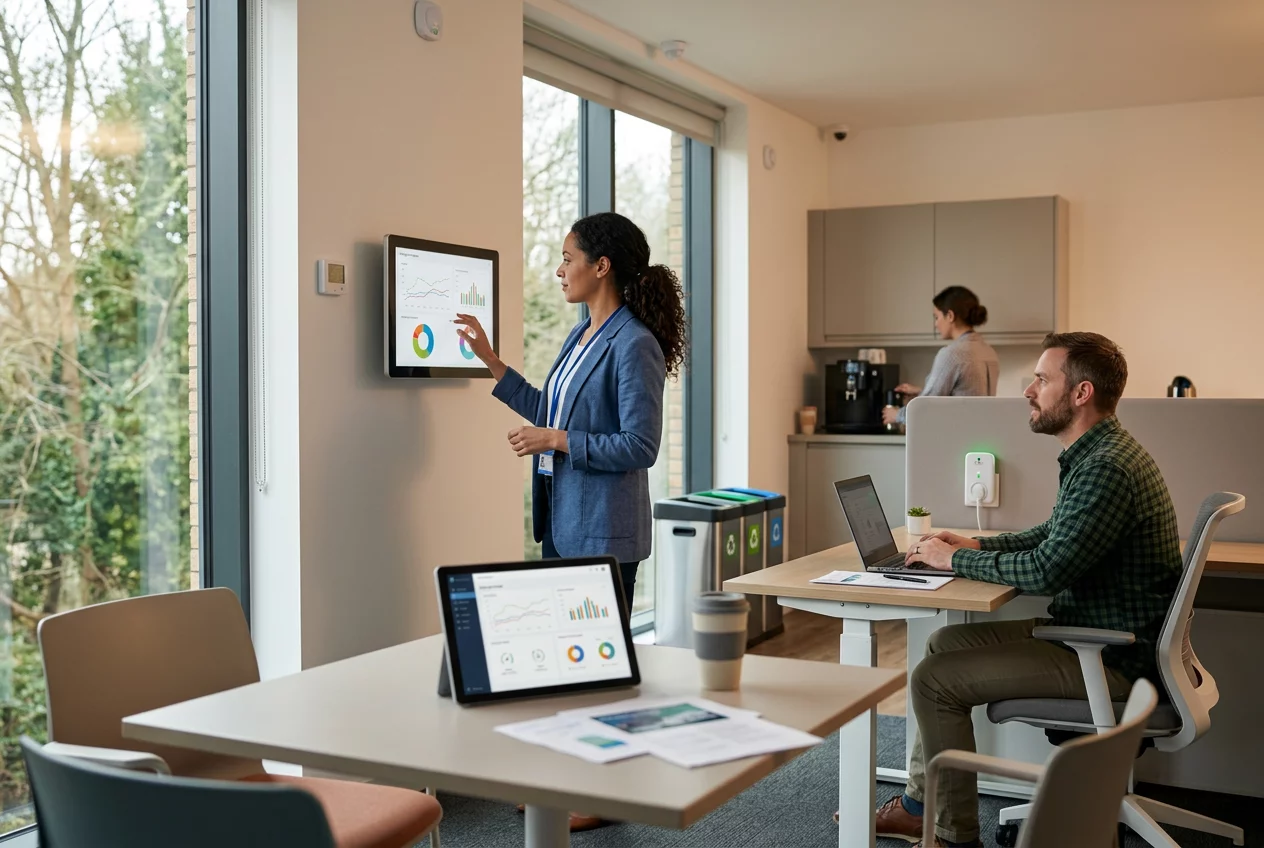
Operational costs for manual reading are minimal, mainly staff time. No subscription fees or equipment maintenance. Scalability is poor; growing offices face increased labor burden. Best suited for static, very small environments.
Smart plug integration has moderate complexity. Plugs are easy to set up, but managing many needs a stable Wi-Fi network. Offers high data granularity, providing real-time consumption per device, invaluable for identifying energy inefficiencies.
Operational costs include initial plug purchases and potential analytics subscriptions. Maintenance is low. Scalability is moderate; adding plugs is simple, but managing many might impact network performance. Suits small to medium offices seeking detailed insights.
Dedicated energy monitoring systems have the highest complexity. Professional installation is often required to wire sensors into electrical panels, demanding technical expertise. They deliver superior data granularity, offering whole-office and circuit-level insights.
Operational costs for dedicated systems include higher upfront investment, software licenses, and maintenance. The depth of data often justifies this. Scalability is high; these systems monitor multiple circuits and can expand, suitable for growing small offices.
Recommendations for Implementation
For micro-offices with very limited budgets and minimal equipment, manual meter reading is a viable starting point. It requires consistent human effort but avoids initial hardware costs. This method is suitable when the primary goal is basic awareness of overall consumption trends without needing detailed insights.
Small offices aiming for targeted optimization and device-level insights should consider smart plug integration. This approach offers a balance between cost and data granularity, allowing for identification of specific energy-intensive appliances. It's ideal for proactive management and immediate adjustments to usage patterns. Xentorviw recognizes the value of such agile solutions.
Growing small offices or those requiring comprehensive, highly accurate data for strategic planning should invest in dedicated energy monitoring systems. While initial investment is higher, they provide deep insights into whole-office and circuit-level consumption, supporting advanced analytics and long-term management. Xentorviw can assist with tailored solutions.