
Centralized Residential Utility Bill Scheduling for Homeowners
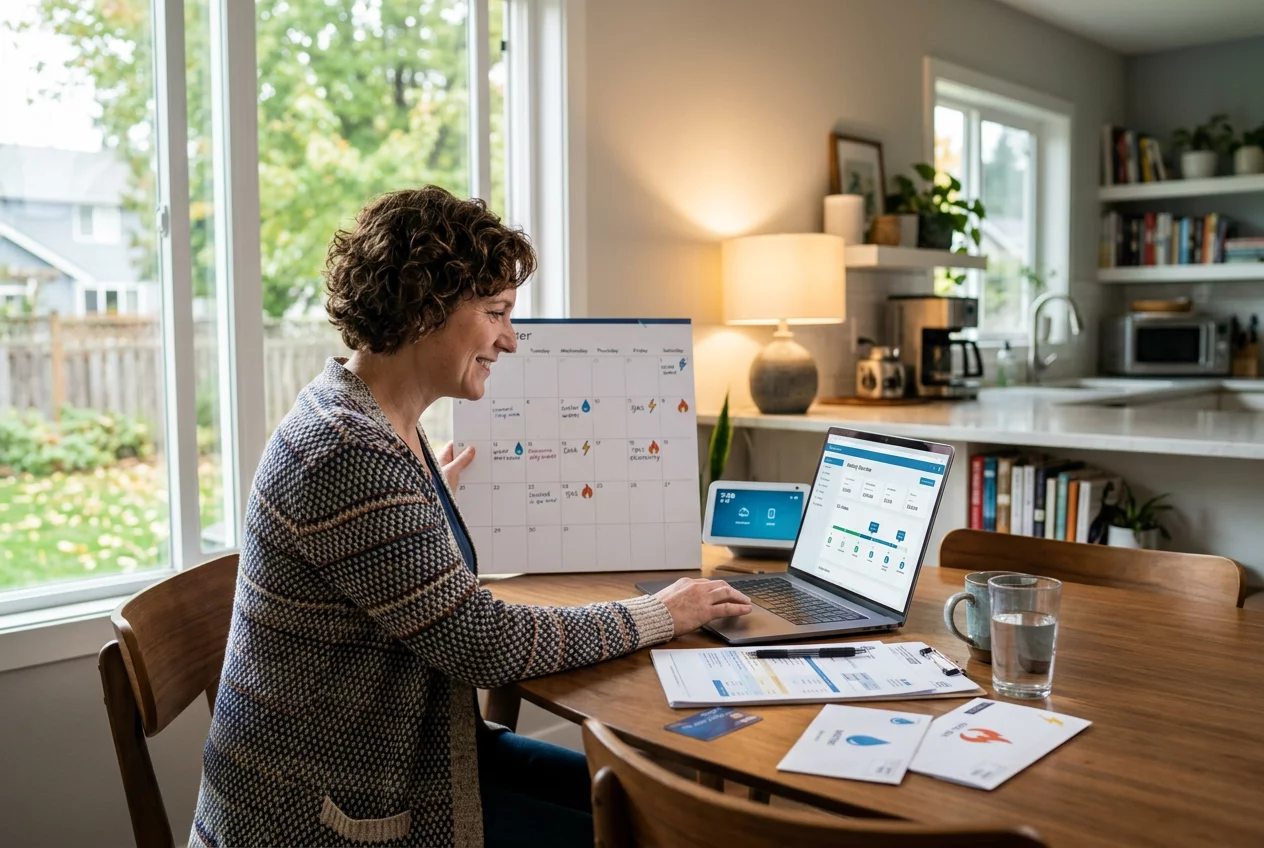
Approaches to Centralized Utility Bill Scheduling
-
Manual Spreadsheet Management: Homeowners use personal spreadsheets to track utility due dates, amounts, and payment confirmations. This method offers high customization and direct control over financial records.
-
Dedicated Billing Software: Specialized applications centralize utility bill information, automate reminders, and provide insights into consumption. These tools streamline financial oversight.
-
Integrated Smart Home Platforms: Leverages existing smart home ecosystems to centralize utility bill scheduling. This offers a unified interface for managing home automation and financial obligations, enhancing household efficiency.
Evaluation Criteria for Utility Bill Management
-
Ease of Setup and Use: Assess the initial effort to implement the system and its day-to-day operational simplicity for homeowners.
-
Customization and Flexibility: Evaluate how much the system can be tailored to individual preferences, payment schedules, and utility providers.
-
Reliability of Reminders and Automation: Focus on the accuracy and consistency of payment notifications and the system's ability to automate recurring tasks.
-
Data Security and Privacy: Consider how personal financial information and usage data are protected and managed within each approach.
Comparative Analysis of Utility Bill Scheduling Methods
Manual spreadsheet management excels in customization. Homeowners design their tracking system precisely to their needs, including specific columns for meter readings or budget allocations. Initial setup requires time to create the template and populate details. This approach offers unparalleled flexibility in data presentation.
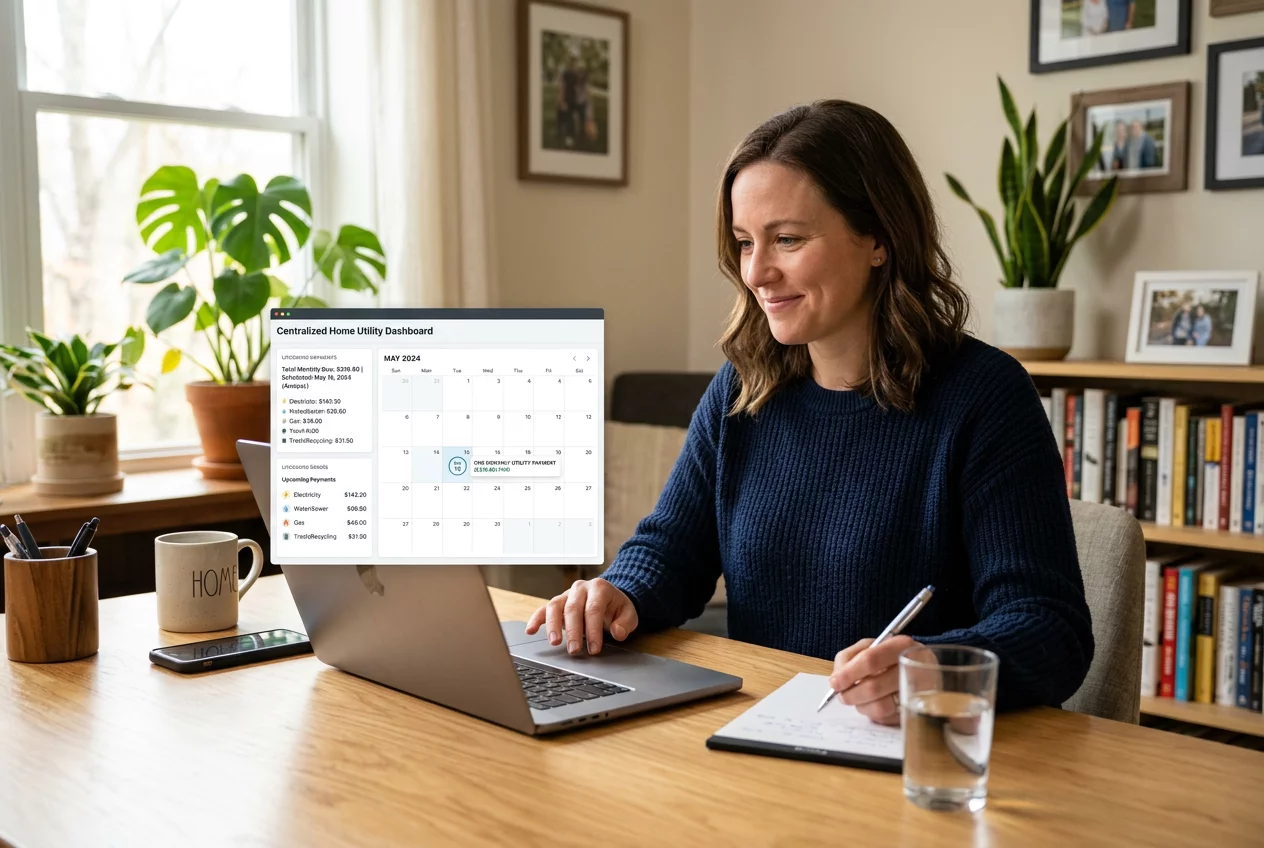
The reliability of manual spreadsheets for reminders depends on homeowner discipline to check it regularly or set external alerts. There's no inherent automation. For data security, information is stored locally, relying heavily on the homeowner's device security practices for protection.
Dedicated billing software offers a straightforward setup process, often guided by user-friendly interfaces. Users input utility details, and the system tracks. Its primary strength is the reliability of reminders and automation, sending timely notifications to reduce missed payments and late fees.
While dedicated software provides robust functionality, its customization options might be more limited than a blank spreadsheet. Users adapt to predefined categories. For data security, reputable providers implement strong encryption and access controls, offering high protection, though it involves trusting a third-party service.
Integrating utility bill scheduling into smart home platforms offers convenience if the ecosystem is established. Setup involves linking accounts or adding details. Customization depends on the platform's capabilities; some allow extensive rule creation, others offer basic integration. The appeal is a unified control center.
The reliability of reminders from smart home platforms can be high, leveraging existing notification systems. Automation varies from simple alerts to advanced actions based on usage data. Data security is critical; users entrust financial data to a broader smart home provider. Xentorviw emphasizes robust security protocols for sensitive information.
Recommendations for Choosing a Method
For homeowners prioritizing maximum control over financial data and comfortable with manual oversight, the manual spreadsheet approach is viable. It suits those who enjoy meticulous record-keeping and prefer not to rely on third-party applications. This method requires consistent personal discipline for timely payments.
Homeowners seeking a balance of automation, reliability, and ease of use should consider dedicated billing software. These solutions are ideal for busy individuals who wish to minimize the mental burden of tracking multiple due dates, providing structured reminders and valuable spending insights.
For those already invested in a smart home ecosystem, integrating utility bill scheduling offers unparalleled convenience. This approach centralizes not just utility management but potentially all aspects of home operation, creating a cohesive and efficient living environment. It's ideal for tech-savvy users aiming for a fully connected home.
Ultimately, the optimal choice depends on individual preferences regarding effort, integration, and data handling. Evaluate your current routines, comfort with technology, and the importance of a unified system. Xentorviw provides solutions that integrate seamlessly, offering reliable management options tailored to diverse homeowner needs and operational styles.
Comments 4


Haitham Al Nuaimi
We are glad you found the information useful. Our goal is to empower homeowners with clear insights for efficient management.

Zain Al Suwaidi
I'm curious about the specific security measures Xentorviw implements for integrated smart home platforms. Is there more detail available?

Manal Al Mari
Xentorviw utilizes industry-standard encryption and multi-factor authentication. More detailed information on our security protocols is available upon request through our support channels.

Reem Al Abdouli
This article provides a clear and concise overview of utility bill management options. The comparison points are very helpful for making an informed decision.